
Perhaps the upstairs bedrooms stay warm long after sunset, while the first floor needs heat again by morning. Or your air conditioner is approaching retirement, and you want its replacement to contribute more than summer cooling. Heat pump installation gives you a chance to solve those needs together, provided the design starts with the house rather than an equipment catalog.
At Best Heating Cooling & Air, we work with homeowners considering their next HVAC investment. When choosing a heat pump installation company in Denver, bring us your priorities: quieter operation, a move toward electric heating, or better control of persistent temperature differences. Those goals help frame the assessment and the equipment options worth discussing.

Key Benefits of Installing a Heat Pump in Your Home
The appeal of a heat pump is its ability to do two seasonal jobs through a reversible refrigeration cycle. During cold weather, the outdoor coil absorbs heat and the indoor coil releases it into the house; in cooling mode, those roles reverse. There is usable heat in cold outdoor air, although the amount a particular unit can collect and deliver changes with temperature.
The benefits of heat pump installation therefore depend on what you have today and what you want to change. For one household, the main advantage is replacing electric resistance heating; for another, it is gaining a heating option while updating worn-out cooling equipment.
- One coordinated equipment selection addresses winter and summer demand, allowing you to plan both functions instead of purchasing unrelated replacements years apart.
- A heat pump can deliver more heat per unit of electricity than resistance elements, making it worth comparing when the current system relies on electric resistance heat.
- Models with variable output can respond to smaller changes in demand rather than operating only at full capacity, helping reduce noticeable temperature swings.
- A compatible furnace can remain part of a dual-fuel design, giving homeowners an alternative to an immediate move to exclusively electric heating.
Successful energy efficient heat pump installation also depends on the path air takes through the home. A tightly shut bedroom with an inadequate return-air route may remain uncomfortable even after new equipment arrives. Finding that restriction before installation is more useful than buying extra capacity to compensate for it.
For a Denver project, review heating performance at low outdoor temperatures alongside the familiar cooling ratings. A model’s summer efficiency cannot answer whether it will cover the house’s winter heat loss. That question requires the building load and the manufacturer’s temperature-specific performance data.
Heat Pump vs. Traditional Furnace & AC: Which Is Better?
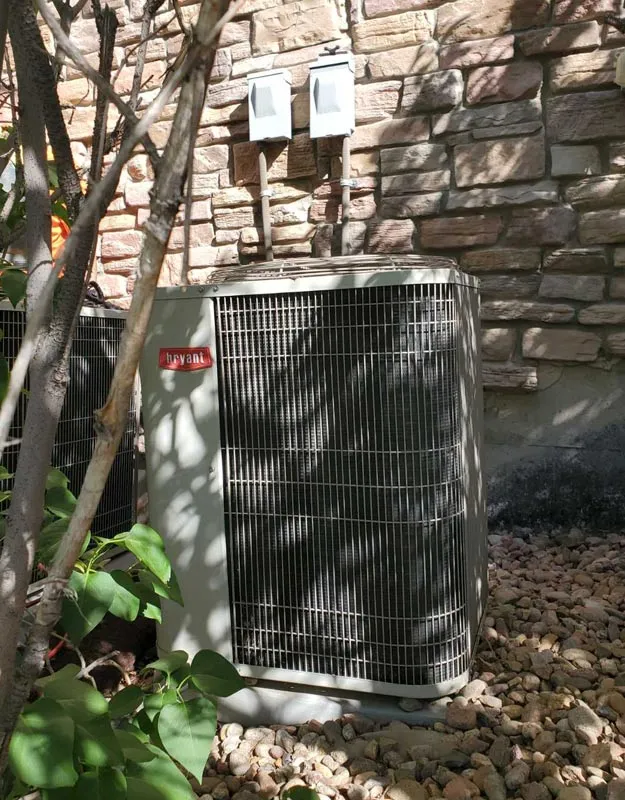
Consider a home whose air conditioner needs replacement but whose furnace still operates reliably. Choosing another cooling-only unit largely preserves the existing arrangement. Selecting a heat pump introduces another heating source, so the decision also involves controls, indoor equipment compatibility, and how the furnace would participate.
For that reason, comparing heat pump installation vs AC replacement means looking beyond the summer specification sheet. You need to know what each proposal will do in January, which existing components it retains, and what additional work makes the proposed combination function correctly.
Three possible approaches deserve consideration:
- Keep separate furnace heating and air conditioning when that arrangement suits the home, the equipment condition, and the owner’s operating-cost priorities.
- Combine a compatible furnace and heat pump when the homeowner wants heat-pump operation under suitable conditions with furnace heating available through a planned changeover strategy.
- Use an all-electric configuration when the selected heat pump, electrical supply, and supplemental heating arrangement can meet the building’s needs.
Our Professional Heat Pump Installation Process
A good installation plan resolves questions that would otherwise appear after equipment has been ordered. For heat pump system installation, that includes checking the existing indoor setup, selecting an outdoor location, and deciding how winter operation will be managed.
- Document the starting conditions. We discuss comfort complaints and review the existing HVAC layout, available access, and proposed changes so the project has a defined purpose.
- Establish the building loads. Heating and cooling calculations guide selection; the old equipment label alone does not establish what the home currently needs.
- Match the components. The proposed outdoor unit, indoor coil or air handler, thermostat, and any retained furnace must form a compatible arrangement.
- Resolve supporting work. Electrical requirements, duct transitions, refrigerant piping, condensate disposal, and any required approvals need to be accounted for in the scope.
- Prepare and connect the equipment. Installation follows the selected manufacturer’s requirements, with refrigerant and electrical work handled by qualified personnel.
- Verify the completed setup. Commissioning checks the relevant operating measurements and control settings rather than relying on the fact that air comes from the registers.
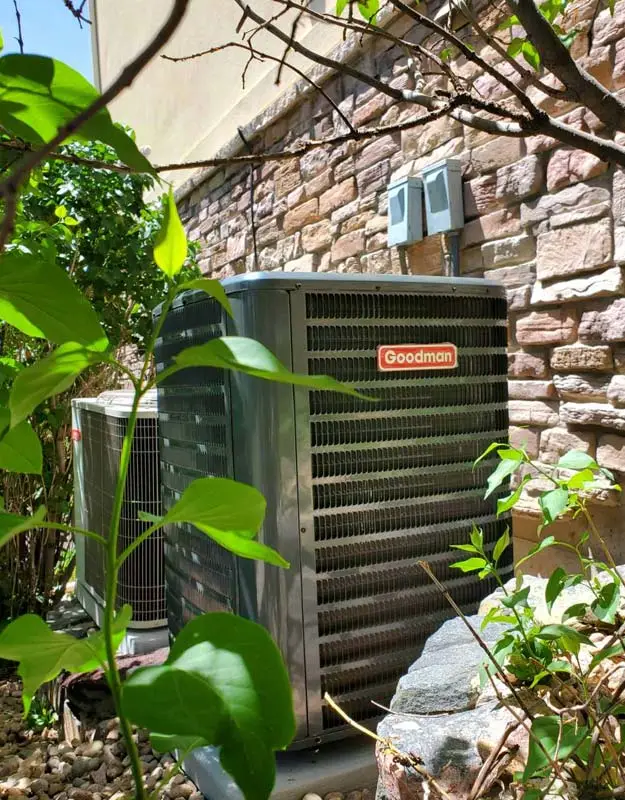
Outdoor placement deserves attention before the base is prepared. Required clearances, nearby bedroom windows, service access, expected snow accumulation, and defrost-water drainage can all influence the location. The shortest connection route is not automatically the best overall choice.
At handover, ask to see the filter location and the thermostat’s normal heating settings. You should also understand what supplemental heat means for your configuration and which winter behaviors are expected. Knowing this helps avoid unnecessary setting changes when the system enters a normal defrost cycle.
How Much Does Heat Pump Installation Cost?
Two estimates can list similarly sized outdoor units and still describe very different projects. One may retain suitable indoor equipment and accessible connections; the other may include an air handler, new circuits, and extensive duct alterations. Your heat pump installation cost reflects that complete package.
Read the proposal as a description of work, not simply a total at the bottom of a page. The following items help explain why prices differ:
- The specified equipment combination, including low-temperature capability, output control, and the indoor components required to support it.
- Any supplemental heating equipment and the controls needed to coordinate it with normal heat-pump operation.
- Electrical changes established from actual equipment requirements and an assessment of the home’s available capacity.
- Connection work, including refrigerant piping, duct fittings, equipment supports, and drainage provisions appropriate to the selected location.
- Removal, permits where required, inspection coordination, startup checks, and other services expressly included in the agreement.
Finally, keep the purchase decision separate from assumptions about future bills. A projected operating-cost comparison should identify the utility rates and heating arrangement it uses. Without those assumptions, a promised payback period says little about the likely result in your house.
Why Homeowners Choose Best Heating Cooling & Air
At Best Heating Cooling & Air, our work covers HVAC installation, maintenance, and repair. That range matters when a proposed heat pump has to integrate with components already serving the house. Our licensed and insured company serves Denver-area customers with trained technical staff.
When discussing our heat pump installation services, bring the same practical questions you would ask about any major home project. What equipment is proposed, what work does the price include, and what will be checked before the installation is considered complete? We encourage you to resolve those details before scheduling.
You can also ask about ongoing service and the manufacturer’s maintenance requirements for your selected system. After-hours service is available; contact us to confirm arrangements for your specific request.
Heat Pump Installation Service Areas
When arranging heat pump installation, Denver residents can contact Best Heating Cooling & Air with their property address and a brief description of the project. We also list Aurora, Littleton, Highlands Ranch, Parker, and Castle Rock among our service locations.
Tell us about gated access, shared outdoor spaces, or equipment located in a difficult-to-reach area. For properties subject to association rules, confirm any restrictions on outdoor-unit placement before the installation plan is finalized.
Schedule Your Heat Pumps Install
Tell us what you want your next system to accomplish, and request an assessment from Best Heating Cooling & Air. Whether the starting point is an aging air conditioner or a decision to change heating sources, a clear description helps focus the installation discussion.
Send the current equipment information if available, mention planned renovations, and identify rooms that regularly feel uncomfortable. We can then discuss the next steps toward a written proposal for your home.
Frequently Asked Questions About Heat Pump Installation
How long does a heat pump installation take?
Allow roughly one to three on-site days as an initial reference for a straightforward residential project. Actual heat pump installation time changes with the number of components involved, access, supporting electrical work, and any duct modifications.
The total calendar schedule can be longer because equipment procurement, approvals, or inspections may occur outside those working days. Confirm both the installation window and the expected interruption to heating or cooling before making household arrangements.
What size heat pump do I need for my home?
If you are wondering, “What size heat pump do I need?” resist choosing from a square-footage chart alone. Two houses with identical floor areas can lose very different amounts of heat because their windows, insulation, air leakage, and exposed surfaces differ.
A load calculation establishes the demand, while equipment data shows what each candidate can deliver under the relevant conditions. Selection must account for cooling as well as heating, the available airflow, and any supplemental heat.
How long does a modern heat pump typically last?
About 15 years is a reasonable planning reference for an air-source unit, rather than a guaranteed replacement date. Actual heat pump lifespan varies with installation quality, use, maintenance, and the conditions around the outdoor equipment.
As the system gets older, review repair frequency, component condition, and parts availability with your service technician. Keep filters maintained and outdoor clearances unobstructed throughout its life. A developing fault deserves attention when it appears, even if the equipment is younger than the typical planning age.
Professional Heat Pump Installation Services Areas We Serve
Testimonials
Reviews About us on Google My Business

Best HVAC Company in Colorado

Professional Workers

License & Insured
List of service offered by Best Heating Cooling & Air
Best Heating Cooling & Air licensed, insured, NATE certified. As a Trade Partner we are able to provide for our customers rebate program for new installations.