
The repair that gets your heat running today may leave a bigger decision waiting for next month. When breakdowns begin to shape the winter budget, it is worth looking beyond the next part and asking what the house needs from its heating equipment. Choosing to replace a heating system should follow a clear assessment of its condition, the work involved, and the result you want.
Best Heating Cooling & Air helps Denver-area homeowners plan that transition. The starting point might be an unreliable furnace, a heat pump struggling to maintain comfort, or an aging boiler. We consider the existing installation alongside your plans for the property, so the replacement proposal addresses more than the equipment that happens to be there now.

Signs It’s Time for a Heating System Replacement
An older unit that operates consistently presents a different decision from one that needs a service call every cold spell. Deciding when to replace a heating system means examining the pattern: what has failed, what the repairs have achieved, and whether dependable operation remains a realistic expectation.
- Repairs are becoming a sequence of separate problems, with one replaced component followed shortly by trouble elsewhere.
- Important parts are difficult to source, making even a repairable fault a potential interruption with an uncertain end date.
- The equipment has a documented major defect, and the repair estimate deserves comparison with a complete replacement proposal.
- The house has changed through additions or renovations, while the heating arrangement still reflects its earlier layout.
- Persistent comfort complaints remain after the equipment, controls, and distribution system have been professionally evaluated.
A higher bill alone cannot establish that the equipment is worn out. Changes in weather, utility prices, occupancy, or insulation can influence spending. Likewise, a cold bedroom may point to a distribution problem that a new furnace would inherit unless it is addressed in the project.
Heating Systems We Replace & Upgrade
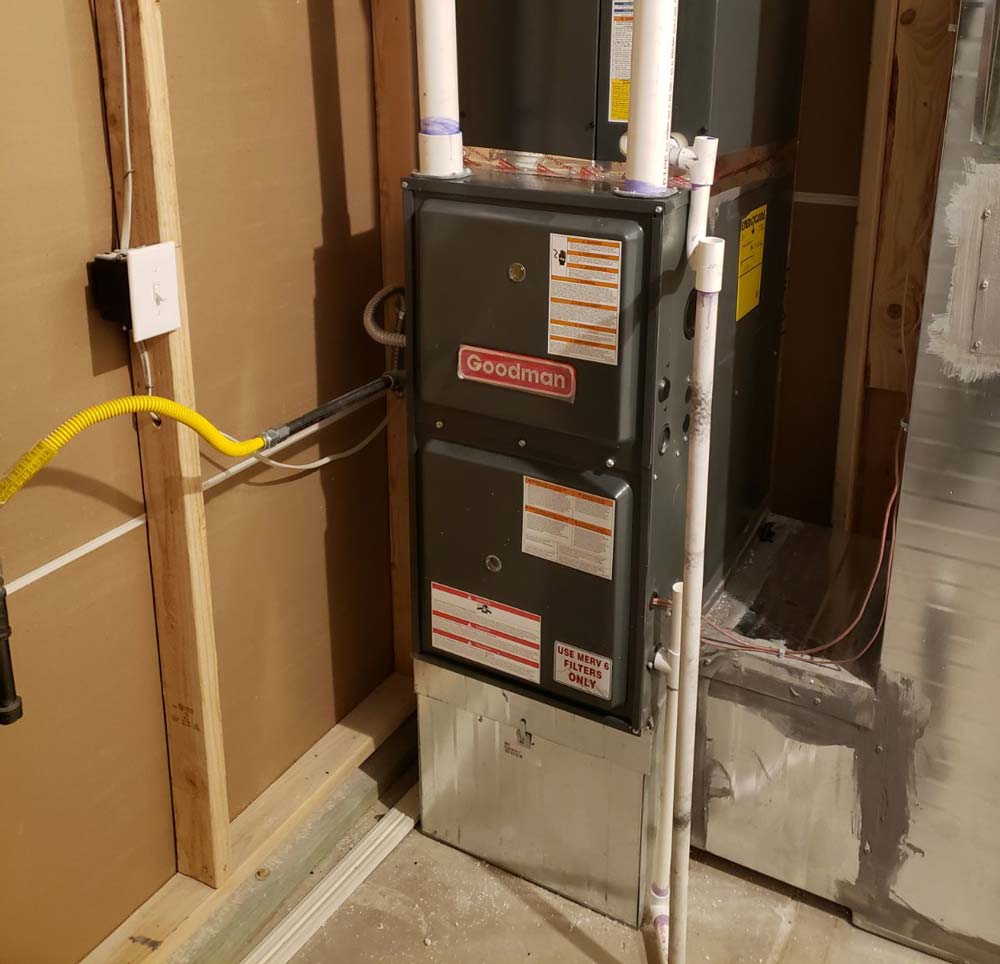
A full heating system replacement does not necessarily mean removing every duct, pipe, radiator, and control. It means defining which components the finished arrangement requires and determining what can safely and effectively remain. The right scope differs between an equipment change and a conversion to another heating method.
Furnace & Forced Air Heating Replacement
Replacing a forced air heating system starts with the relationship between the furnace and the air routes around the house. Supply ducts deliver warmth, while return paths allow air to circulate back. If either side restricts flow, replacing the furnace alone may leave the original comfort complaint unresolved.
The assessment should also consider any cooling coil above or beside the furnace, the required blower performance, and thermostat compatibility. For fuel-burning equipment, venting and combustion-air requirements form part of the proposed installation. Changing efficiency levels can introduce connection requirements that the previous furnace did not have.
Heat Pump System Replacement & Upgrades
A heat pump system replacement involves both heating and cooling performance. The outdoor equipment, indoor coil or air handler, and controls must be a compatible combination. Replacing only the visibly worn component without checking the rest can limit the available options.
For Denver homes, winter output needs attention at the outdoor conditions used for design. A model’s nominal capacity does not describe its heating delivery at every temperature. Selection should account for the building’s heat loss and the role of supplemental heat, if required.
If a compatible furnace will remain in a dual-fuel arrangement, its operation needs to be coordinated with the heat pump. If the goal is all-electric heating, available electrical capacity becomes another design consideration. Neither approach should be chosen solely because the outdoor unit fits the existing pad.
Boiler & Radiator Heating Replacement
Replacing a boiler heating system begins with identifying how the existing system distributes heat. Hot-water and steam arrangements require different assessment and equipment selection. The boiler, connected piping, controls, and heat emitters need to be considered as a working whole.
For a hot-water system, suitable radiators or baseboard emitters may remain after the boiler is replaced. Their condition and ability to heat the rooms at the proposed operating temperatures still matter. A new boiler cannot correct every circulation or room-balance problem simply by producing heat more efficiently.
Also establish whether the heating equipment contributes to domestic hot water. That connection may affect the replacement plan and the household services interrupted during the work. Venting, drainage where required, access, and associated components should be identified before the final scope is agreed.
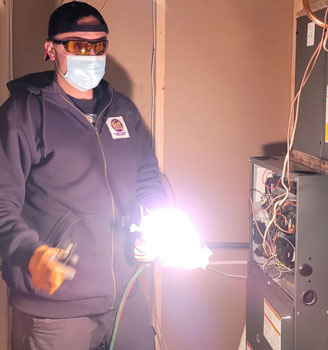
Our Heating System Replacement Process
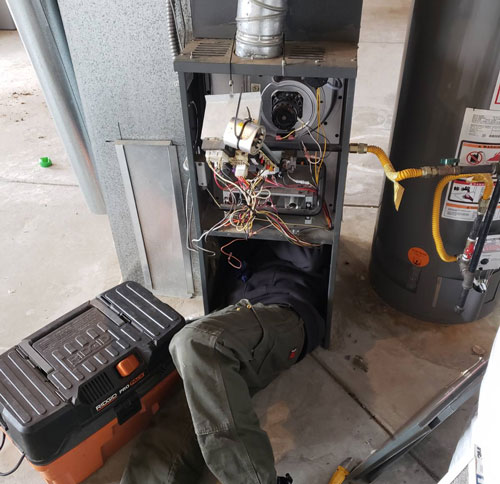
The most useful preparation for replacing a home heating system is deciding what success should look like when the work is finished. That might mean restoring dependable operation, resolving an identified distribution fault, or changing the heating source.
- Review the existing system. Discuss service history, inspect the installation, and identify components that affect the proposed replacement rather than assessing the main appliance in isolation.
- Establish the current heating demand. Account for the home’s condition and planned improvements so equipment selection reflects the building it will actually serve.
- Develop the replacement scope. Specify the equipment, retained components, connection changes, controls, and any separate trade work needed to complete the project.
- Arrange the work sequence. Confirm access, equipment delivery, required permits, and the expected period without normal heating before removal begins.
- Remove and replace the agreed components. Qualified personnel carry out the installation according to applicable requirements and the selected manufacturer’s instructions.
- Check operation and explain care. Verify the relevant system performance and controls, review homeowner maintenance, and provide the equipment information needed for future service.
Testing varies with the heating method. Airflow matters for forced-air equipment, while a boiler project requires checks appropriate to its water or steam system. The completion standard should therefore match the actual installation rather than rely on a generic checklist with unrelated items.
How Much Does Heating System Replacement Cost?
The cost of replacing a heating system is shaped by how much of the existing installation can remain and what the new equipment requires. Access, connections, and supporting modifications can account for a substantial difference between estimates.
Compare proposals by looking for these elements:
- The exact equipment and controls specified, including the components needed for a compatible working combination.
- The condition and suitability of reused ducts, piping, radiators, cooling equipment, or other existing parts.
- Necessary changes to electrical supply, venting, fuel connections, drainage, or distribution within the agreed scope.
- Removal and disposal arrangements, access constraints, required permits, and coordination of inspections.
- The startup checks, warranty terms, and any finishing or separate contractor work included or excluded from the price.
A conversion can involve a different level of work from replacing equipment with a similar type. For example, changing from radiators to forced air introduces air-distribution requirements, while an all-electric design may require electrical assessment and upgrades. Ask for those differences to be priced explicitly.
Future operating costs deserve their own calculation. The result depends on fuel or electricity rates, heating demand, equipment performance, and use. An efficiency rating helps compare equipment, but it does not support a fixed savings promise for every property.
Why Homeowners Choose Best Heating Cooling & Air
Best Heating Cooling & Air provides HVAC replacement, installation, repair, and maintenance for customers in the Denver area. Our licensed and insured company works with heating and cooling equipment, giving homeowners a local contact when a replacement affects other parts of the existing system.
Ask about the proposed scope, service arrangements, and care instructions for the selected equipment. After-hours service is available; contact us to confirm availability for your request. For a planned replacement, agreeing on the work and schedule in advance helps the household prepare.
Schedule Your Heating System Replacement Today
You do not need to choose the new appliance before requesting an assessment. Contact Best Heating Cooling & Air with the current system details, the difficulties you have experienced, and any recent service findings. That information provides a useful starting point for selecting a replacement heating system.
Request a written proposal that explains what will change, what will remain, and which supporting work is included. With the scope defined, you can decide how to proceed and plan around the expected installation window.
Frequently Asked Questions About Heating Replacement
Should I repair or replace my home heating system?
To decide whether to repair or replace a home heating system, compare the diagnosed repair with the condition of the equipment around it. A limited fault in otherwise dependable equipment is a different proposition from a major repair after several recent breakdowns.
Consider parts availability, warranty coverage, unresolved comfort problems, and the likelihood of further work. Ask for the reasoning behind the recommendation and the scope of each option.
Can I replace a heating system in an older home without ductwork?
Yes, replacing a heating system in an old house does not automatically require adding ducts. Depending on the building and the existing installation, options may include retaining suitable hydronic distribution with a new boiler or evaluating ductless heat-pump equipment.
The assessment must account for room layout, insulation, electrical supply, and the heating capability needed in winter. Preserving finishes or architectural features can also influence equipment placement and connection routes. Confirm those priorities before a configuration is selected.
How long does a heating system replacement take?
A straightforward equipment replacement may be completed in roughly one or two working days once preparations are finished. Conversions, distribution changes, difficult removal routes, and supporting trade work can extend that period.
Distinguish the on-site installation from the overall project schedule, which may include procurement, permits, and inspections. Confirm how long normal heating will be unavailable and whether any domestic hot-water service will also be affected.
Professional Heating System Replacement Areas We Serve
Testimonials
Reviews About us on Google My Business

Best HVAC Company in Colorado

Professional Workers

License & Insured
List of service offered by Best Heating Cooling & Air
Best Heating Cooling & Air licensed, insured, NATE certified. As a Trade Partner we are able to provide for our customers rebate program for new installations.