
A furnace replacement affects more than the temperature on your thermostat. The equipment must match your home’s heating needs, work with its ductwork, and stay within the capacity of its electrical system. Professional electric furnace installation brings these decisions together before the new unit goes into place.

For Denver homeowners considering electric heat, Best Heating Cooling & Air is a starting point for discussing the project. Whether you are replacing an existing electric furnace or moving away from fuel-burning equipment, begin with an assessment of your home rather than a guess about equipment size.
Why Choose an Electric Furnace for Your Home?
An electric furnace uses resistance heating elements to warm air, then a blower distributes that air through ducts. Unlike a gas furnace, it does not burn fuel to produce heat, so the furnace itself does not require a combustion exhaust vent or a gas connection. This can make it an option for homes without access to natural gas.
The right choice depends on how the home uses energy, not simply on the absence of a burner. Consider the following features alongside the practical requirements:
- All-electric operation removes the need to purchase gas, propane, or heating oil for this appliance, although other fuel-burning equipment may remain in the home.
- A forced-air design may allow suitable existing ducts to be reused after their condition, capacity, and connections have been evaluated.
- Electric resistance heat produces warmth without an outdoor compressor, although indoor blower noise and airflow still depend on equipment selection and installation.
- Compatible controls and staged heating can help match operation to demand, provided the furnace supports those features and is configured correctly.
Installation cost and operating cost deserve separate comparisons. Resistance heating can use substantially more electricity than a suitable heat pump, so an electric furnace should not automatically be presented as the cheapest all-electric option to run.
Signs It’s Time to Replace Your Old Furnace
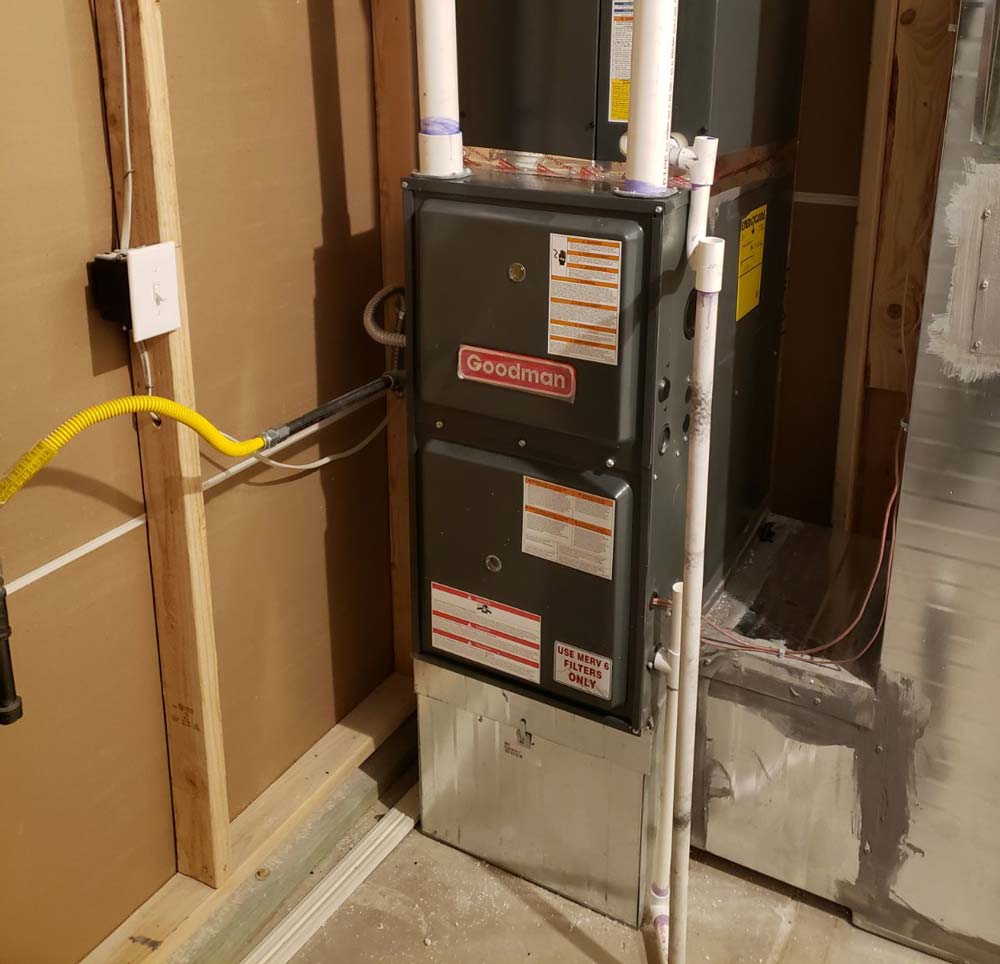
If you are asking, “When should I replace my electric furnace?” start with its condition and repair history. Age provides context, but a newer unit with a major fault and an older, well-maintained unit do not necessarily call for the same decision.
A professional assessment becomes especially useful when several of these problems appear together:
- Repeated breakdowns interrupt heating, and repairs are becoming a recurring expense rather than an occasional service need.
- Some rooms remain cold after basic thermostat settings and filter condition have been checked, suggesting a need to evaluate both equipment and air distribution.
- Heating elements, controls, or the blower require substantial repairs, making the cost worth comparing with replacement.
- Replacement parts are difficult to obtain, leaving the household exposed to longer interruptions during cold weather.
- Your home’s layout or insulation has changed, and the existing system no longer appears suited to the current heating load.
Rising bills alone do not prove that the furnace needs replacing. Weather, electricity prices, duct leakage, and thermostat habits can all affect consumption. Likewise, repeated breaker trips require professional investigation; replacing the furnace without finding the cause may leave the underlying electrical problem unresolved.
Converting to Electric: Replacing Gas, Oil, or Propane Systems
Homeowners who want to replace a gas furnace with electric heating need to plan beyond the equipment swap. A resistance furnace can place a substantial demand on the electrical system, and an available breaker position does not establish that the service has enough capacity. The proposed heating load must be evaluated alongside the home’s other electrical loads.
The conversion should also account for the old fuel system. Gas piping must be safely addressed by qualified personnel, while oil or propane equipment may involve additional removal arrangements. An existing chimney or vent may serve another appliance, so its future use must be checked before any changes are made.
Existing ducts may remain useful, but their suitability depends on the new furnace’s airflow requirements. Connections, return-air paths, and compatibility with any retained cooling equipment also need attention.
Before committing to resistance heating, compare it with a heat pump suitable for your home and climate. Both use electricity, but they produce heat differently and can have very different operating costs.
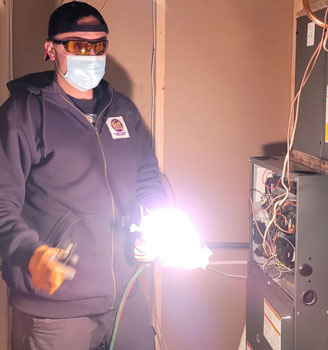
Our Electric Furnace Installation Process: Step-by-Step
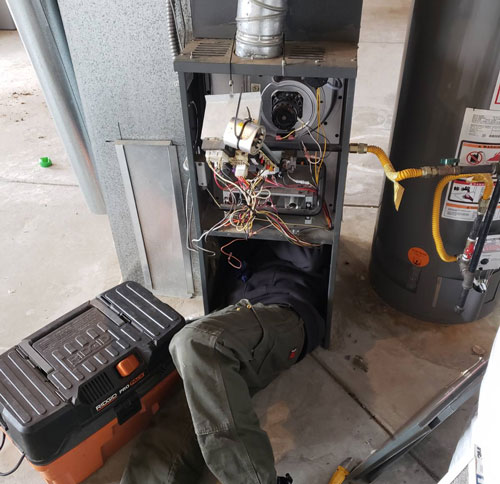
A well-planned installation starts with information about the home and ends with measured operating checks. These stages help homeowners understand what the proposed work should include and which details need to be settled before scheduling.
- Assess the home and existing equipment. Review comfort complaints, the current furnace, installation access, insulation, windows, and other conditions that influence heating demand.
- Calculate the heating load. Use a recognized residential load calculation, such as ACCA Manual J, to guide equipment selection instead of relying only on floor area or the old unit’s rating.
- Review electrical and duct requirements. Determine whether the proposed equipment requires electrical upgrades, connection changes, or improvements to supply and return airflow.
- Define the installation scope. Identify the selected equipment, removal work, required permits, responsibilities, and any work involving other trades before approving the project.
- Install the furnace and compatible controls. Qualified personnel complete the equipment placement and connections according to the manufacturer’s instructions and applicable requirements.
- Commission the system and explain operation. Check heating stages, airflow, temperature rise, thermostat response, and relevant safety controls, then review filter access and maintenance instructions with the homeowner.
Commissioning matters because a furnace can switch on without operating as intended. Restricted airflow or an incorrect control setup can undermine comfort even when the equipment is new.
How Much Does Electric Furnace Installation Cost?
The cost of electric furnace installation depends on the complete scope, not just the furnace’s purchase price. Replacing a compatible unit in an accessible location is a different project from converting a fuel-burning system and upgrading the electrical supply.
When comparing estimates, look for a clear explanation of these cost factors:
- Equipment selection, including heating capacity, blower configuration, control compatibility, and any features included in the proposed model.
- Electrical work needed to support the unit, including circuits and any service or panel changes identified through assessment.
- Duct modifications, transitions, sealing, or return-air improvements required for suitable air distribution.
- Removal and disposal of the existing furnace, along with separately identified work on fuel piping or associated equipment.
- Installation access, permit requirements, inspections, and final system testing included in the agreed scope.
Request an itemized proposal so you can distinguish necessary work from optional upgrades. Also ask which potential costs remain outside the estimate and what conditions could change the price.
For operating costs, compare the projected electrical demand with your actual utility rate and expected heating use. A new resistance furnace does not guarantee lower bills than an older one. Improvements to ducts, controls, or the building envelope may influence the result as much as the replacement itself.
Why Homeowners Choose Best Heating Cooling & Air
Choosing a contractor means choosing who will help you evaluate the entire heating system. Best Heating Cooling & Air provides heating and cooling services in the Denver area, giving homeowners a local contact for discussing furnace replacement alongside related HVAC needs.
If your search began with “electric furnace installers near me,” take the next step by discussing the details of your property. Explain which rooms feel uncomfortable, whether you plan to retain your air conditioner, and whether the project involves changing fuel sources.
Ask for a written scope that identifies the equipment, required supporting work, and commissioning checks. Confirm scheduling, warranty terms, and any separate electrical responsibilities before approving the installation. Clear project information gives you a more useful basis for choosing a contractor than broad promises about savings or speed.
Schedule Your Electric Furnace Installation Today
Contact Best Heating Cooling & Air to discuss your electric furnace install and the next steps for assessing your home. Share the current equipment details, the problems you want to solve, and whether you are planning a replacement or a fuel conversion.
If you have a photo of the equipment label or previous service records, keep them available for the consultation.
Frequently Asked Questions About Electric Furnace Installation
Can an electric furnace be installed in a garage?
To install an electric furnace in a garage, a contractor must consider the garage layout, equipment listing, installation instructions, and applicable local requirements. Vehicle impact exposure, required clearances, service access, and the proposed duct arrangement can affect suitability.
Heating the garage itself is also different from locating a home’s furnace there. A contractor should evaluate the intended use and how garage air will remain separated from living areas before recommending equipment or connections.
What size electric furnace do I need for my home?
The answer to “What size of electric furnace do I need?” comes from a heating-load calculation. It considers the home’s dimensions, insulation, windows, air leakage, and local design conditions rather than applying one capacity figure to every home of the same floor area.
The selected heating output must also work with the available electrical capacity and the duct system. Buying a larger furnace as a precaution can introduce unnecessary cost and operating problems instead of resolving the reason some rooms feel cold.
How long does a modern electric furnace typically last?
There is no single answer to “How long does an electric furnace last?” that predicts the retirement date of an individual unit. Installation quality, maintenance, operating hours, airflow, and the condition of major components all affect its useful service life.
Assess replacement timing through service findings and repair history rather than age alone. Regular filter care and scheduled inspections help identify developing issues, while a comparison of repair costs, parts availability, and current comfort provides a practical basis for deciding when to replace.
Professional Electric Furnace Installation Services Areas We Serve
Testimonials
Reviews About us on Google My Business

Best HVAC Company in Colorado

Professional Workers

License & Insured
List of service offered by Best Heating Cooling & Air
Best Heating Cooling & Air licensed, insured, NATE certified. As a Trade Partner we are able to provide for our customers rebate program for new installations.