When winter storms sweep across Littleton, CO, maintaining a dependable indoor thermal environment transcends basic luxury—it becomes an absolute requirement for domestic security and well-being. Whether you are finishing construction on a modern residential build, swapping out a fatigued heating apparatus, or responding to sudden mechanical failures, expert climate control solutions guarantee that your living spaces stay comfortably warm, secure, and economically managed throughout the coldest months. Securing professional assistance protects your property from freezing damages and delivers profound peace of mind when weather conditions deteriorate.

Professional Furnace Installation & Replacement in Littleton
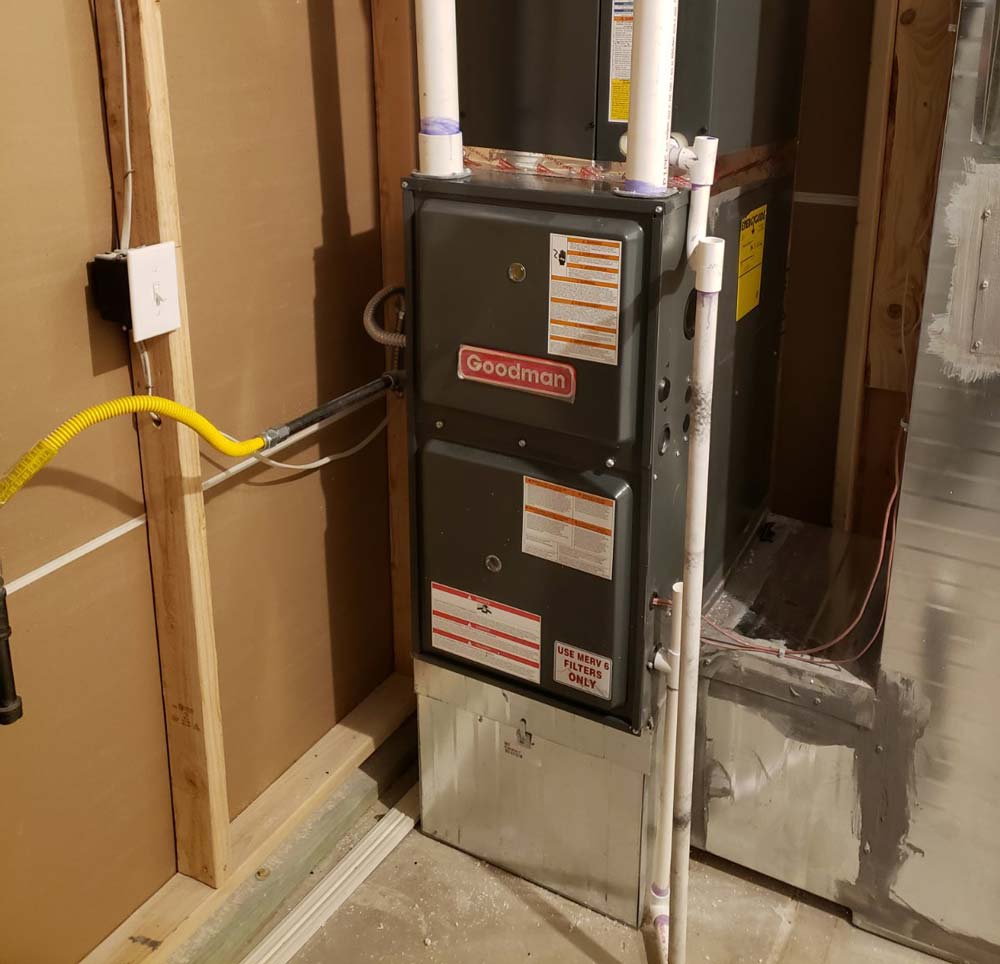
Appointing knowledgeable technicians to handle your domestic climate control setup dictates the overall lifespan, reliability, and safety of your hardware. A specialized furnace installation service guarantees that every single component—from duct connections to electrical feeds—is precisely calibrated and secured for peak operational performance. Shoddy setup work frequently triggers erratic heating cycles, premature breakdowns, and unnecessarily bloated utility statements.
When your current heating engine approaches the final chapters of its working life, transitioning to an advanced unit via a qualified furnace installation Littleton specialist safeguards your daily indoor comfort. Contemporary heating hardware introduces cutting-edge features such as variable-output blowers, digital automation integration, and high AFUE performance indexes. Partnering with regional specialists who intimately understand the climatic challenges unique to this locale ensures your residence stays snug during severe blizzards.
As thermal machinery ages, routine maintenance visits often cease to resolve underlying structural declines, making an expert furnace replacement service mandatory. Skilled practitioners carefully audit your existing distribution networks, air returns, and electrical capacities to architect a flawless transition that integrates smoothly into your household layout. Upgrading your heating core not only eliminates persistent equipment failures but simultaneously purifies circulating air by trapping domestic dust, floating particulates, and seasonal allergens more effectively.
Revamping your home climate control arrangement through an intentional furnace replacement Littleton intervention banishes the constant worry of unexpected mechanical collapses. Brand-new assemblies arrive backed by robust factory protections and modern safety sensors, shielding your family from hazards like carbon monoxide leakage. Making this forward-thinking investment secures household coziness for many winters ahead.
Signs It’s Time to Replace Your Furnace
Recognizing precisely when to replace furnace machinery prevents emergency malfunctions in sub-zero weather. Heating assemblies typically broadcast distinct distress signals well before suffering a total catastrophic breakdown. Ignoring these warning indicators guarantees expensive emergency call-outs and inefficient fuel consumption.
Attending to unmistakable signs furnace needs replaced empowers you to schedule a proactive upgrade on your own timeline rather than panicking during a winter freeze. Keep a vigilant eye out for these critical red flags:
-
Advanced Equipment Age: Most conventional residential heaters have a maximum productive lifespan of fifteen to twenty years. Nearing or surpassing this timeframe leads to rapid drops in operational reliability.
-
Escalating Energy Bills: A sudden, unexplained jump in monthly utility expenses usually signifies that your heating apparatus is losing its thermal efficiency, forcing it to burn excess fuel to achieve target temperatures.
-
Constant Mechanical Repairs: If you find yourself scheduling recurring technician visits multiple times per season, the cumulative repair bills will quickly eclipse the cost of buying a modern unit.
-
Patchy Temperature Distribution: Experiencing pockets of cold air in specific rooms or irregular cycling indicates that your blower can no longer effectively push warmth across the entire building footprint.
-
Unusual Sounds and Smells: Persistent grinding, squeaking, or popping noises, paired with lingering burning odors, point directly to severe internal friction or component fatigue.
-
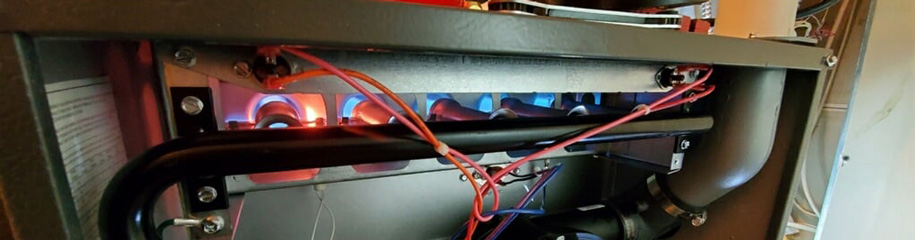
Discolored Burner Flames: A lazy yellow or orange burner flame instead of a sharp, steady blue flame suggests dangerous combustion anomalies and potential carbon monoxide leaks, demanding instant professional intervention.
Our Step-by-Step Furnace Installation Process
Executing a seamless heating system upgrade demands a disciplined, highly methodical strategy. Our Step-by-Step Furnace Installation Process is carefully mapped out to cause minimal interruption to your domestic routine while maximizing precision, efficiency, and structural safety at every milestone.
-
Comprehensive Site Survey & Load Evaluation: We initiate the project by analyzing your property’s footprint, layout architecture, insulation values, and specific thermal preferences to dictate the exact parameters required for your home.
-
Hardware Sizing and Selection: Utilizing strict mathematical thermal calculations, we assist you in picking an ideal heating unit matched precisely to your building’s thermal demand, completely avoiding the risks of mismatched capacity.
-
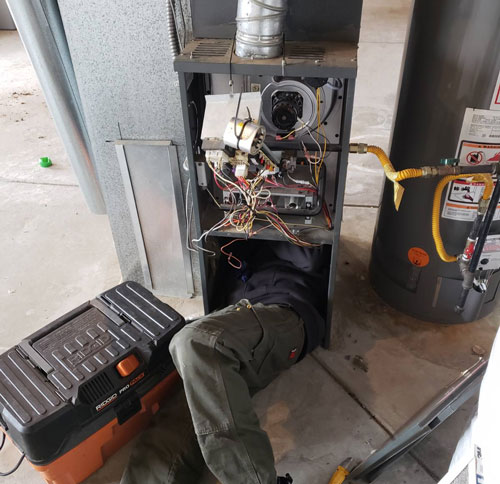
Safe Extraction of Retired Equipment: Our licensed professionals securely shut down and disconnect gas feeds, high-voltage electrical lines, and exhaust flues before carefully removing and hauling away your old heating appliance.
-
Ductwork and Vent Inspection: We inspect, clean, and test your existing distribution network and venting pathways to confirm proper airflow dynamics, eliminating potential blockages that could compromise the new machinery.
-
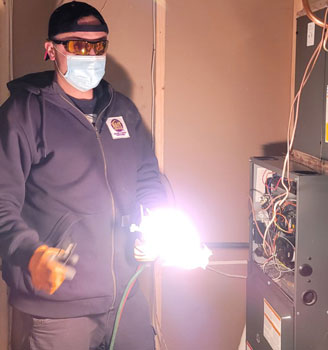
Precision Mechanical Installation: The brand-new heating unit is meticulously positioned, leveled, and tied into fuel supplies, electrical circuits, and venting structures in strict alignment with regional building regulations.
-
System Calibration and Diagnostic Testing: Following physical setup, we perform rigorous diagnostic trials to calibrate airflow volume, ignition sequences, thermostat communication arrays, and safety shut-off mechanisms.
-
Client Walkthrough and Workspace Cleanup: We meticulously clean the work zone, guide you through the operational features of your new thermostat and equipment, and answer any questions concerning ongoing care.
Choosing the Right Energy-Efficient Furnace for Your Home
Balancing indoor comfort with sustainable expenditure is essential for managing long-term household expenses. Prioritizing high efficiency furnace installation fundamentally shifts how your residence utilizes fuel, drastically minimizing your environmental footprint while dropping monthly utility overhead.
Modern high-efficiency heating appliances leverage advanced engineering, incorporating secondary heat exchangers designed to harvest latent thermal energy from exhaust gases before they vent outdoors. When examining potential units, review the AFUE rating carefully. Older conventional systems typically max out around 60% to 70% efficiency, meaning a significant fraction of your purchased fuel escapes as waste. Conversely, modern high-efficiency options achieve ratings between 90% and 98%, ensuring that nearly every penny spent on energy directly warms your living spaces.
Furthermore, look into units equipped with modulating gas valves and variable-speed blower motors. Unlike traditional single-stage machines that operate exclusively at maximum capacity or completely shut down, variable-speed systems dynamically alter their output to match minute-by-minute atmospheric fluctuations inside the home. This translates to whisper-quiet operation, ultra-stable indoor temperatures, and superior humidity control across all four seasons.
How Much Does a New Furnace Cost in Littleton?
Navigating the financial dimensions of a heating system upgrade allows you to structure your household improvement budget with confidence. The aggregate furnace installation cost fluctuates according to several distinct variables, including your home’s total square footage, the AFUE efficiency rating of the chosen equipment, structural complexities of the installation site, and any necessary modifications to existing ductwork or gas supplies.
While initial equipment and labor investments represent a notable line item, homeowners must weigh these expenses against long-term gains. Committing to a premium, high-efficiency assembly minimizes maintenance demands and sharply reduces monthly utility overhead, delivering an exceptional return on investment over the machine’s operational lifecycle.
Assessing the full cost of replacing furnace hardware also entails reviewing available manufacturer promotions, regional utility rebates, and flexible financing programs. Many property owners discover that distributing investment expenses across structured monthly payments makes transitioning to state-of-the-art heating technology entirely manageable. Transparent pricing structures ensure complete clarity without hidden fees, empowering you to make a sound financial decision tailored to your personal goals.
Why Work With Us
Selecting the right trade partner is equally as crucial as choosing premium heating hardware. Collaborating with an established furnace installation contractor guarantees master craftsmanship, absolute code compliance, and dedicated client advocacy from the initial consultation through final project sign-off.
Our licensed technicians bring extensive hands-on experience to every assignment, ensuring your heating unit is configured correctly from day one. We take immense pride in providing dependable furnace installation Littleton co solutions backed by rock-solid craftsmanship guarantees and a firm dedication to absolute client satisfaction. From initial sizing assessments to emergency support calls and seasonal preventative tune-ups, we stand firmly behind our labor to keep your home warm year-round.
Frequently Asked Questions About Furnace Installation
How long does it take to install a furnace?
For most typical single-family residences, how long does it take to install a furnace generally spans between four and eight hours. The actual timeframe is dictated by physical access constraints, whether custom duct adjustments are mandatory, and the specific design tier of the chosen system. Our specialists work diligently to finalize operations within a single working day whenever feasible, cutting down on household disruptions.
How do you determine the correct furnace size for my home?
Determining what size of furnace do i need requires an exhaustive Manual J thermal load calculation. Crucial parameters including total floor area, ceiling clearance, window orientation, regional weather profiles, and thermal insulation values are rigorously evaluated. Installing a unit with inadequate capacity forces constant, exhausting operation, whereas an oversized machine short-cycles, creating temperature swings and wearing out internal parts prematurely.
Do I need a city permit for furnace replacement in Littleton, CO?
Complying with municipal legalities is a mandatory step for any significant residential overhaul. Property owners frequently inquire: do i need permit to replace furnace. Within Littleton, CO, municipal codes mandate formal mechanical permits for heating equipment upgrades to guarantee that gas plumbing, high-voltage electrical ties, and exhaust venting conform to strict structural safety standards. As your dedicated installation partner, we manage the entire municipal permitting workflow on your behalf, guaranteeing all tasks pass inspection and comply with local ordinances.
How long do furnaces typically last?
Comprehending how long do a furnace last helps you prepare proactively for future asset replacements. On average, a properly maintained heating mechanism delivers reliable service for 15 to 20 years. Consistent annual servicing, prompt air filter changes, and immediate attention to minor mechanical hitches serve as the primary drivers helping your heating hardware reach or surpass its anticipated operational lifetime.
Furnace Installation Areas We Serve
Testimonials
Reviews About us on Google My Business

Best HVAC Company in Colorado

Professional Workers

License & Insured
List of service offered by Best Heating Cooling & Air
Best Heating Cooling & Air licensed, insured, NATE certified. As a Trade Partner we are able to provide for our customers rebate program for new installations.