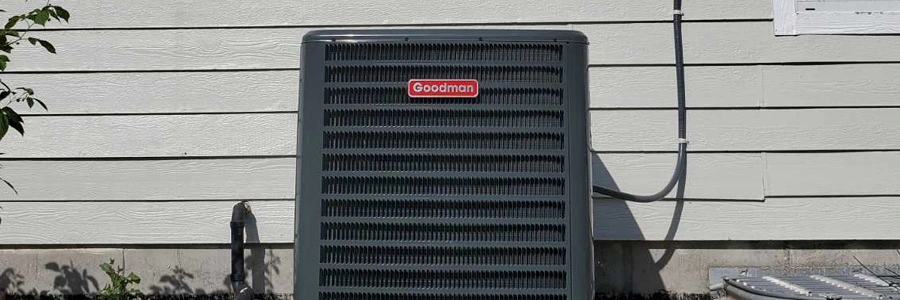
Managing residential climate control infrastructure requires a thorough understanding of the specific brand equipment installed within your property. Goodman manufacturing systems are widely recognized across North America for delivering robust thermal performance, high efficiency, and reliable long-term durability. However, like any sophisticated machinery operating under continuous mechanical stress, these units can occasionally experience operational hitches. Mastering effective Goodman HVAC troubleshooting methods empowers homeowners to identify abnormal behaviors early, resolve minor technical anomalies safely, and recognize precisely when to partner with certified professionals. Recognizing frequent Goodman HVAC problems prevents minor glitches from escalating into costly emergency breakdowns.
Top Goodman Furnace Problems and How to Fix Them
Gas heating appliances rely on intricate sequences involving electrical ignition, gas valve regulation, draft induction, and thermal heat exchange. When winter temperatures plunge, maintaining reliable operation becomes critical for domestic safety. Applying structured Goodman furnace troubleshooting strategies helps isolate root mechanical failures quickly. Resolving persistent problems with Goodman furnaces ensures uninterrupted warmth and protects your equipment investment.
1. Goodman Furnace Blows Cold Air or Won’t Ignite
Discovering that your heating core is distributing ambient room temperature air instead of powerful warmth can be quite alarming. A typical Goodman furnace blowing cold air scenario usually stems from a restricted media filter, a malfunctioning electronic igniter, or a safety limit switch lockout preventing burner activation. When a Goodman furnace won’t ignite, it frequently indicates a dirty flame sensor rod failing to detect combustion, a closed gas supply valve, or a tripped pressure switch due to blocked exhaust venting.
2. Furnace Keeps Shutting Off After a Few Minutes (Short Cycling)
Rapid cycling—where heating equipment fires up for a brief period before abruptly shutting down—creates immense mechanical wear and wastes substantial fuel. A Goodman furnace short cycling malfunction is generally triggered by an overheating heat exchanger restricting airflow, an oversized heating capacity rating, or a failing thermostat relay. Investigating why your Goodman furnace keeps shutting off usually points back to dirty air filters choking internal static pressure.
3. Pressure Switch Stuck Open or Closed
Draft pressure switches act as essential safety sentinels, ensuring that combustion byproducts vent safely outdoors before allowing gas valves to open. A Goodman pressure switch stuck open or closed fault occurs when condensation, soot, or debris blocks the silicone tubing ports, or when the inducer draft motor fails to generate adequate negative pressure inside the combustion chamber.
4. Blower Motor Runs Continuously Without Heat
Continuously running blower motors without active heating cycles indicate a control board relay glitch or a thermostat set incorrectly to the continuous “ON” position rather than “AUTO.” Resolving this requires verifying thermostat wiring configurations and inspecting the electronic integrated control module for physical faults.
Common Goodman Air Conditioner Problems and Solutions
Summer cooling performance depends on smooth cooperation between indoor evaporator coils, refrigerant lines, electrical capacitors, and outdoor condensing units. Executing targeted Goodman AC unit troubleshooting steps helps pinpoint airflow bottlenecks and electrical faults efficiently. Addressing recurring Goodman air conditioner problems restores crisp indoor comfort swiftly.
1. Goodman AC Won’t Turn On or Outside Unit Not Running
When an indoor thermostat calls for cooling but nothing happens, troubleshooting must begin at the electrical supply panel. A Goodman AC not turning on or experiencing an outside unit not running scenario is frequently caused by a tripped circuit breaker, a blown low-voltage fuse on the indoor control board, a faulty outdoor disconnect switch, or a failing compressor contactor.
2. AC Running Constantly but Not Cooling Properly
Units running around the clock without achieving target indoor temperatures point toward severe capacity losses. A Goodman AC running but not cooling situation often stems from dirty condenser coils, low refrigerant charges, or failing compressor valves. Ensuring your Goodman AC not cooling house issue gets resolved involves checking airflow restrictions and professional refrigerant testing.
3. Weak or Inconsistent Airflow Through Vents
Restricted delivery performance creates uncomfortable hot spots throughout residential properties. Experiencing weak or inconsistent airflow through vents typically originates from neglected air filters, obstructed supply registers, or collapsed flexible duct branches.
4. Water Leaking Around the Indoor Unit
Condensation management is vital during peak cooling months. Water pooling near indoor air handlers is usually caused by algae or dust clogging the condensate drain line, forcing moisture to back up past the primary auxiliary overflow pan.
How to Read Goodman LED Indicator Status & Error Codes
Modern Goodman control boards feature onboard diagnostic LED indicator lights that flash specific codes to pinpoint mechanical anomalies instantly. Analyzing Goodman AC trouble codes or reviewing manufacturer Goodman fault codes provides technicians with exact data regarding ignition locks, pressure switch trips, open thermal limits, or low voltage warnings.
How to Reset a Goodman HVAC System: Step-by-Step
Sometimes minor logic lockups on integrated control boards can be cleared with a proper power cycle. Knowing how to reset Goodman furnace equipment involves switching off power at the breaker, lowering the thermostat setting, waiting five minutes, and restoring power. Similarly, understanding how to reset Goodman AC unit hardware safely restores normal communication between your thermostat and outdoor condenser.
DIY Troubleshooting vs. When to Call a Certified Goodman Contractor
Executing safe DIY troubleshooting vs. when to call a certified Goodman contractor protects your safety and equipment warranty. Homeowners can safely replace air media filters, clear exterior yard debris from condensing coils, and reset tripped circuit breakers once. However, refrigerant handling, gas valve adjustments, and high-voltage electrical diagnostics require professional certification.
Need Fast Goodman HVAC Repair? Contact Our Local Specialists
When unexpected technical failures threaten your indoor comfort and safety, waiting around for standard business hours is simply not an option. Professional technicians deliver rapid diagnostics and lasting solutions whenever urgent repairs arise. Partnering with certified experts guarantees that every diagnostic test, component replacement, and system calibration is executed to the highest industry standards, ensuring total peace of mind for you and your family.
Frequently Asked Questions About Goodman Systems
What does a blinking red light mean on a Goodman furnace?
Encountering a red light blinking on Goodman furnace equipment serves as a direct diagnostic indicator from the control board. Specifically, noting a red light on Goodman furnace blinks 6 times typically points to a locked-out pressure switch or an ignition failure requiring immediate technical inspection.
Where is the reset button on a Goodman air conditioner?
Many users wonder about the exact Goodman AC reset button location. It is important to note that residential condensing units generally do not feature a physical reset button on the exterior casing; instead, system resets are performed directly via the household electrical circuit breaker panel.
How long do Goodman HVAC units typically last?
Evaluating standard Goodman HVAC life expectancy reveals that with regular professional preventative maintenance, gas furnaces and air conditioning systems typically deliver reliable thermal performance for 15 to 20 years.