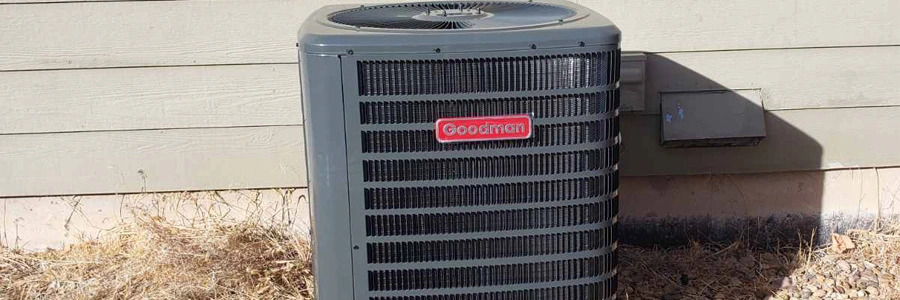
Every homeowner wants their indoor space to remain consistently comfortable – warm in winter and cool in summer. However, no climate control equipment operates forever. Understanding HVAC life expectancy helps you budget for upgrades on time, avoid sudden breakdowns during peak seasons, and significantly reduce energy bills.
Average HVAC Lifespan: How Many Years of Operation to Expect?
On average, the average HVAC lifespan ranges from 15 to 25 years. However, this number varies significantly depending on the specific type of climate equipment installed in your home.
Here is how long different system components typically last:
- air conditioners are designed for approximately 10-15 years;
- heat pumps typically last 10-12 years due to year-round operation;
- gas furnaces average a lifespan of 15-20 years or more;
- boilers and heating units are designed to last 20-25 years.
Overall HVAC lifespan directly depends on how frequently the equipment was inspected by professionals and how carefully it was operated. Neglecting basic maintenance routines can cause even top-tier equipment from leading brands to fail in half its expected lifespan.
Key Factors Determining How Long Your System Will Last
Actual HVAC longevity is influenced by more than just factory specification numbers. There are objective factors affecting HVAC lifespan that determine whether your equipment will serve a quarter of a century or require replacement in just a few years.
Primary wear factors for climate systems include:
- Proper sizing calculations. The system should neither be undersized nor oversized for your total square footage.
- Air cleanliness quality. Indoor dust levels directly impact internal components.
- Usage intensity. The total operating hours during extreme temperature peaks.
These nuances produce a cumulative effect. When system load is distributed correctly, internal parts wear evenly, enabling equipment to operate reliably for many years without major failures.
The Importance of Professional Installation Quality
Proper setup plays a critical role, emphasizing the importance of proper HVAC installation. Even minor connection errors can cut the lifespan of an air conditioner or furnace in half. Mistakes during unqualified installation typically lead to the following consequences:
- Refrigerant leaks. These cause overheating and premature compressor failure.
- Incorrect electrical connections. Such mistakes trigger constant voltage surges and short circuits.
- Poor duct sealing. Leads to losing up to 30% of warm or cool air on its way to rooms.
Installation should only be entrusted to certified technicians with a solid reputation – the specialists at Best Heating Cooling & Air.
How Local Climate and Environmental Conditions Affect Wear
Outdoor weather dictates strict rules for any climate control equipment. High humidity, salty sea air, sharp temperature fluctuations, and long freezing winters force heating and cooling systems to work at peak capacity.
Homeowners in regions with severe weather face these specific challenges:
- Outdoor unit corrosion. Caused by constant rain, high humidity, or proximity to water bodies.
- Freezing of components. Occurs during extremely low winter temperatures.
- System clogging from dust and debris. Common during dry, windy summer periods.
Climate control equipment in harsh weather areas requires double the attention. Timely protection of outdoor units and regular monitoring by technicians help offset negative environmental impacts.
Why Regular Preventative Maintenance Is Critical
It is impossible to overestimate the importance of HVAC maintenance. An annual professional inspection allows technicians to catch minor issues before they escalate into major breakdowns that require substantial repair costs.
A standard seasonal maintenance checklist must include:
- Deep cleaning of internal components. Technicians remove dust, dirt, mold, and buildup from heat exchangers.
- Refrigerant level checks. Specialists locate hidden leaks and top off refrigerant to factory levels.
- Lubrication of moving parts. Essential for minimizing friction in motors and fans.
- Electronics testing. Technicians inspect sensors, wiring contacts, and thermostat settings.
Scheduling maintenance twice a year (in spring before the cooling season and in autumn before the heating season) guarantees year-round peace of mind and comfort.
Warning Signs That Your Heating or Cooling System Is Failing
You don’t need to be a professional engineer to notice obvious signs that you need to replace your HVAC system. The main question on every homeowner’s mind is: when does HVAC need to be replaced? You should consider purchasing new equipment when the following symptoms appear:
- Uncontrolled increases in electric bills. An aging system consumes progressively more energy.
- Frequent breakdowns. Calling a repair technician more than twice a year is a clear warning sign.
- Uneven heating or cooling. One room feels uncomfortably hot while another stays cold.
- Strange noises and odors. Grinding, humming, burning smells, or musty odors coming from supply vents.
When equipment displays several of these indicators at once, continued repairs become an unwise expenditure. Investing in a modern replacement unit becomes the more logical and cost-effective choice.
Red Flags for Your Air Conditioner
Primary signs your air conditioner needs to be replaced are always connected to cooling performance during summer heat. As the compressor reaches the end of its service life, the AC unit essentially turns into a standard fan that merely circulates warm air throughout the house.
It is definitely time to replace your air conditioner if:
- Warm air blows from vents. This occurs even when thermostat settings are set to low temperatures.
- The system short-cycles. Turning on and off repeatedly every few minutes.
- It relies on R-22 refrigerant. This refrigerant is outdated, phased out of production, and increasingly expensive to recharge.
Frequent short cycles prevent the system from removing excess humidity, leaving indoor air feeling stuffy. Replacing an old air conditioner restores long-awaited coolness and freshness to your home.
Signs of Heating System Failure
Clear signs furnace needs replaced directly relate to family safety. An aging gas furnace or boiler with a cracked heat exchanger poses a risk of hazardous carbon monoxide leaks.
Contact specialists immediately if you observe:
- A yellow burner flame. Appearing instead of a steady, proper blue flame.
- Loud popping or rattling noises. Heard every time the heating system starts up.
- Rust and cracks. Visible on the equipment’s metal cabinet or piping.
The most dangerous warning sign is a flame color shift to yellow. This indicates incomplete gas combustion and potential toxic gas leakage. In this situation, immediate action is required – the system must be urgently diagnosed and replaced for safety.
How to Extend the Lifespan of Your Heating and Air Conditioning System
Simple daily habits help demonstrate in practice how to extend HVAC system lifespan, protecting your investment and delaying expensive equipment replacement for years to come.
Regularly Replace Air Filters and Clean Ductwork
The importance of changing HVAC air filter elements is hard to overestimate. A dirty, dust-clogged filter restricts proper airflow, forcing the blower motor to operate under constant, damaging stress. Follow these rules to keep the system clean:
- Check filter condition regularly. Perform a visual inspection every 30 days.
- Stick to replacement schedules. Change standard filters at least once every 3 months.
- Account for pets. If you have cats or dogs, replace filters every 45-60 days.
While the exact answer to how often should HVAC air filters be changed depends on individual household factors, a clean filter guarantees easier motor operation. Clean ductwork also reduces dust circulating through your living spaces.
Optimize Thermostat Settings and Improve Home Insulation
Reducing equipment workload is the best method to prolong system life. Install a programmable or smart thermostat to automatically lower system activity when no one is home or during sleeping hours.
The following steps also effectively reduce equipment wear:
- Setting energy-saving modes. Program moderate temperature settings while away.
- Upgrading wall and attic insulation. This prevents conditioned air from escaping.
- Sealing windows and doors. Eliminates drafts that force climate equipment to work harder.
Good home insulation retains heat in winter and coolness in summer. Consequently, your climate system cycles less frequently, rests longer, and lasts years more.
Keep the Outdoor Unit Clean and Clear of Debris
The outdoor module of your climate system is constantly exposed to natural elements. Fallen leaves, grass clippings, twigs, and outdoor debris can block airflow grilles and disrupt heat transfer. Perform these simple tasks to protect the outdoor unit:
- Clear the surrounding area. Remove branches, leaves, and tall grass within a two-foot radius.
- Rinse the radiator fins. Gently wash away dust and dirt from unit walls using a garden hose.
- Inspect the protective grille. Ensure no heavy objects fall onto or obstruct the enclosure.
Unobstructed space around the outdoor module is essential for proper air circulation. When the unit can “breathe” freely, the compressor operates normally without overheating.
Repair vs. Replacement: How to Choose the Most Cost-Effective Option
When equipment suffers a major malfunction, homeowners face a tough dilemma: HVAC repair vs replace. To make a sound financial decision and determine exactly when to replace HVAC system, professionals recommend using the “5,000 Rule.” Here is how it works:
- Determine the exact age of the system. Calculate how many years it has been in operation.
- Obtain a repair estimate. Ask a technician for the exact cost to fix the current issue.
- Multiply these two figures. Multiply equipment age in years by the repair estimate.
If the resulting number exceeds $5,000, investing money into repairing the old unit is generally impractical. Financially, it is far wiser to allocate those funds toward a modern, energy-efficient replacement model backed by a long warranty.
Need a System Inspection? Contact Local Specialists Today
The team at Best Heating Cooling & Air is always ready to assist. We deliver honest, transparent, and accurate climate equipment diagnostics using professional diagnostic tools.
Our technicians quickly identify hidden defects, repair malfunctions, or help you select the ideal replacement system tailored to your home’s square footage, personal comfort requirements, and planned budget.
Final Summary: Balancing Cost, Efficiency, and System Age
The definitive answer to how long do HVAC systems last always comes down to maintenance quality. Timely seasonal tune-ups, regular filter replacements, and professional installation from a trusted company are the three pillars of longevity. Invest in servicing your equipment today, and it will reward you with years of flawless operation, keeping your home microclimate ideal.