When the summer heat hits, living in a stuffy house turns into a real ordeal. Comfort and cool air become the main priority. Choosing the right cooling system is a crucial decision that will impact your wallet, your family’s health, and home comfort for many years to come.
Today, there are many options on the climate control market, but the most common debate among homeowners is window ac vs central air. What would be better: installing an inexpensive unit in the window of each room or investing once in a full-fledged large air conditioner for the entire building? The experts at Best Heating Cooling & Air will explain all the important nuances so you can make the right choice.
Quick Overview: System Comparison
To put it simply, choosing between local (spot) and whole-house cooling depends on three main factors: house layout, budget capabilities, and expected level of comfort. Window units and large central climate systems operate completely differently. The main battle in the window ac units vs central air debate revolves around balancing upfront purchase costs right now against future quality of life. A window option works great as a temporary or quick fix in a single room, while a central system completely transforms the indoor climate, creating ideal conditions for living, sleeping, and working.
Window Air Conditioners: Low Cost and Single-Room Cooling
For most people, the first experience with home cooling begins with small portable or window units. Simple and familiar window air conditioners are favored because they are inexpensive and available at any appliance store. Their design is straightforward: a single durable metal box (monoblock) containing all operating parts – compressor, fan, motor, and coils. This device is fitted directly into an open window or a dedicated wall opening. It draws warm air from the room, cools it using refrigerant, and expels excess heat outside through its back panel.
Pros and Cons of Window Air Conditioners
Before rushing to the store, it pays to calmly analyze all strengths and weaknesses of this equipment. Reviewing the pros and cons of window air conditioners in detail helps clarify all features of these units. Key advantages include:
- Very low price. The unit itself is cheap, making it the most accessible way to beat the heat immediately.
- Easy installation. No need to hire a construction crew; in most cases, you can secure the unit in a window yourself within a couple of hours.
- Savings on empty rooms. You can run the unit only where you are currently located, such as in the bedroom before sleep, without paying to cool an empty living room.
Notable drawbacks include:
- High noise levels. Because the primary and loudest component (the compressor) is inside the unit right in your room, it will hum constantly and noticeably, disturbing sleep or TV watching.
- Loss of natural light and views. The air conditioner occupies a good portion of the window, making the room noticeably darker and leaving the window looking cluttered.
- Security and fall risks. If installed improperly, the unit could fall outside or, conversely, intruders could easily push it inside to gain entry through the window.
As you can see, this option offers obvious financial savings alongside serious hidden daily inconveniences.
Can a Single Window or Portable Air Conditioner Cool a Whole House?
Many homeowners attempt a shortcut: they buy the largest, most powerful window unit, place it in the living room, and hope the cool air naturally flows to distant bedrooms and the kitchen.
In reality, the answer to the question can a window ac unit cool a whole house is almost always negative. Air simply cannot move effectively on its own through narrow doorways, hallways, and wall corners. Consequently, the room housing the unit turns into an icy zone with drafts that cause colds, while distant rooms remain unbearably stuffy. Moreover, attempting to cool an entire house forces the small unit to run continuously at full capacity, leading to rapid wear and high electricity bills.
Central Systems: Maximum Comfort for the Entire House
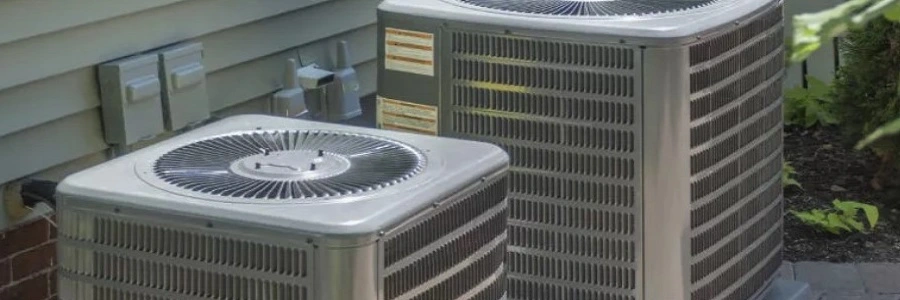
If you prefer not to compromise and want consistent freshness and comfort across the entire home, a complete central air conditioning system is the best choice. This is no longer just a household appliance, but a serious and smart engineering network. It consists of a large, powerful outdoor unit (placed beside the house wall or on the roof) and a hidden indoor evaporator coil.
Special ductwork runs from this system throughout the home beneath ceilings or inside walls. Cool air is delivered quietly through neat supply vents into every room, while built-in filters clean it of dust, pet hair, and pollen along the way.
Benefits of Quiet Whole-Home Air Conditioning
Investing heavily in professional central equipment completely elevates your living standard. Exploring the key benefits of central air highlights several major advantages:
- Complete indoor quietness. The loudest motor runs outdoors, leaving only a faint, pleasant airflow whisper inside the house.
- Uniform temperature everywhere. No more hot spots; temperatures in the kitchen, hallway, and all bedrooms remain identical and comfortable.
- Clean interior appearance. No bulky plastic units hang on windows or walls; only small, stylish vent grilles are visible inside rooms.
- Increased home value. A high-quality integrated climate system noticeably boosts market real estate value if you decide to sell the house later.
This option is preferred by homeowners who prioritize comfort, quiet, and family health, and have the budget to invest long-term in their property.
The Reality of High Purchase and Installation Costs
Naturally, such an ideal system has one significant drawback – the initial cost. If you ask technicians why is central air so expensive, the answer is simple: you are not just buying an appliance, but paying for a complete indoor climate transformation. The high price tag includes:
- the cost of heavy-duty equipment;
- custom blueprint design and project engineering tailored specifically to your rooms;
- labor-intensive work by technicians who must run meters of ducting, seal every joint perfectly, and properly calibrate the control systems.
Ultimately, the total central air conditioner installation cost can add up to a substantial sum. It is particularly expensive if the house is already fully built and finished, as installers must carefully cut open drywall ceilings or walls to conceal ductwork, requiring additional time and money for cosmetic repairs afterward.
Ductless Split Systems: The Ideal Middle Ground
What if you want a quiet, efficient air conditioner, but your house lacks space for large ductwork or you simply don’t want to open up walls? For these situations, engineers created a clever solution known as a ductless mini split.
This system utilizes a smart layout: a single outdoor unit connects to sleek, compact indoor units mounted on room walls. For a ductless ac system to operate properly, the outdoor and indoor components are linked not by bulky air ducts, but by thin copper lines and wiring requiring only a single coin-sized hole through the wall.
Why Split Systems Are a Compromise Between Window and Central Units
Modern, high-tech climate equipment combines the strongest features of other system types. Its main qualities include:
- Flexible zoning. Independent temperature adjustment for each room without affecting neighboring spaces.
- Whisper-quiet performance. Placing the noisy compressor outdoors prevents unwanted sound inside the living space.
- High reliability. Durable equipment components ensure long-term operation without constant repairs.
Additionally, high ductless mini split efficiency is achieved thanks to modern inverter compressors. Unlike older units that constantly switch fully on and off, inverter motors smoothly reduce output to a minimum once the room reaches the target temperature, gently maintaining comfort while drawing minimal electricity.
Making a Choice: The Ductwork Factor and Financial Costs
When analyzing equipment options and evaluating central air vs window units cost, window units appear far cheaper initially. Purchasing three or four quality window units for separate rooms costs significantly less than designing and installing a whole-house central system. However, a major trap lies here: small upfront savings can result in higher long-term expenses and dissatisfaction.
Does Your Home Have Existing Ductwork?
The primary technical consideration is your home’s structural design. If you are planning on adding central air to a house with no ducts, prepare for substantial costs, noise, and construction dust. Running thick ducts through older wooden or masonry homes without existing pathways can be impractically difficult or extremely expensive. In such cases, experts recommend choosing a multi-split system, which installs cleanly without structural alterations.
10-Year Cost Comparison (Upfront Purchase vs. Utility Bills)
A logical financial analysis reveals how overall costs compare over a 10-year period:
- Window air conditioners. Minimal initial purchase cost, but lower efficiency causes higher monthly electricity consumption and larger power bills. Inexpensive window models rarely last beyond 5 years due to weather and dust exposure, leading to recurring replacement expenses.
- Central system. Significant initial capital outlay is offset by advanced engineering and strict energy efficiency standards. With routine maintenance, the system comfortably operates for 15-20 years, recovering its initial cost through lower kilowatt usage.
Consequently, professional equipment functions as a long-term property investment that protects household budgets over time.
Verdict: Which System Should You Choose?
When deciding which is more efficient central air or window unit, engineering calculations clearly favor central systems and inverter split systems. They consume considerably less power per square foot of cooled space.
Choosing standard window air conditioners makes sense if:
- you live in a long-term rental property where owners forbid structural modifications;
- you only need to cool a single small room (such as a home office) for a few weeks during peak summer heat;
- your purchase budget is strictly limited.
Local spot cooling handles short-term needs effectively without altering your living space.
Opting for a central air system or split system is ideal when:
- you plan to stay in your property for many years;
- you value quiet operation, clean air free from outdoor dust, and clean interior aesthetics without blocked windows;
- your goal is to increase property value and reduce ongoing utility bills over the long run.
Professional climate control delivers a superior level of home comfort while protecting family health throughout the building.