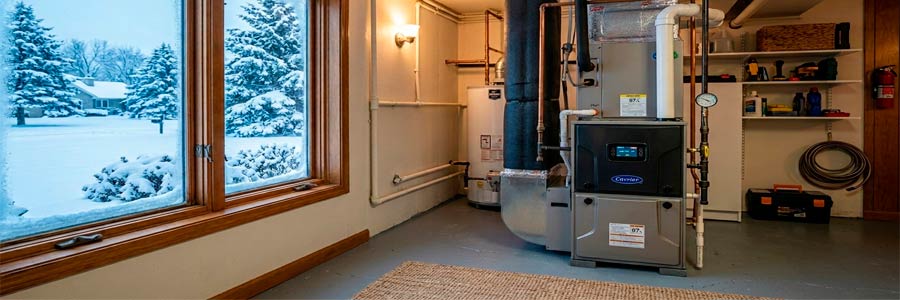
Timely care for your heating equipment is the key to peace of mind and comfort in your home throughout the winter. To ensure that your climate control technology does not fail in the midst of severe frosts, its preparation should be handled before the first cold weather arrives. Routine maintenance helps identify hidden defects and ensures the uninterrupted operation of the entire system. By spending just a little time in the autumn, you rid yourself of unnecessary headaches and create a reliable foundation for a comfortable wintering experience.
The Importance of a Pre-Winter Tune-Up: Why Preventative Maintenance Matters
A standard technical check before winter eliminates the risk of suddenly finding yourself in a freezing house due to the breakdown of some minor part. Professional preventative hvac maintenance keeps equipment efficiency at its maximum and guarantees that all appliances operate safely. Soot, dust, and small debris that accumulated inside the housing over the summer severely degrade heat transfer and cause the metal to wear out faster.
Fixing minor malfunctions in the autumn is always easier and cheaper than calling an emergency crew in the middle of a freezing night. In addition, a clean system ensures the proper combustion of fuel without releasing harmful decay products into the rooms and uses resources economically, without increasing utility bills.
Essential DIY Furnace Maintenance Tips to Complete Before Cold Weather Hits
You can easily perform most of the basic steps to care for your equipment on your own, without complex tools or special skills. These simple and clear winter furnace maintenance tips will help prepare your equipment for winter and protect the automation from annoying failures.
Stay Consistent with Changing Your Furnace Air Filter
Clogged filtering materials block the free flow of air and cause the fan to experience excessive wear and tear. Timely replacing filters in furnace solves three important tasks at once:
- Protection against overheating. The equipment will not shut down due to weak airflow.
- Air purification. Fine dust, pet hair, and allergens will disappear from the rooms.
- Resource savings. Warm air is distributed throughout the house faster, and the system does not waste extra energy.
Try to change the cartridges every 3 months, and if furry pets live in the house, do it more frequently. This one-minute procedure perfectly extends the life of the blower motor.
Remove Clutter and Keep the Area Around the Unit Clear
For the gas in the furnace to burn correctly and safely, the equipment needs a constant supply of fresh air. Cluttering the utility room or basement with things is dangerous, so it is worth tidying up there. Take care of the following:
- Clear zone. Leave a clean area with a radius of at least 1 meter around the heating unit.
- Removal of textiles. Move boxes, old furniture, clothing, and rags to another location.
- Fire protection. Never keep flammable liquids — such as paints, solvents, or gasoline — nearby.
Cleanliness around the appliance reduces the risk of accidental fire to zero. In addition, free access will allow you to quickly shut off the valves if an emergency situation occurs.
Test Home Smoke and Carbon Monoxide Detectors
Even the most reliable ventilation must be backed up by home electronics. Be sure to press the special button on the housing to test carbon monoxide detectors before the season starts. Carbon monoxide has no color or odor, so the proper functioning of these devices literally saves lives.
If your detectors run on batteries, change them once a year, even if the old ones still seem to be working. You can stick a small note with the inspection date on the housing so you definitely do not forget the next one.
Give Your Heating System a Trial Run Early in the Season
Do not wait for the first frosts when all the technicians in the city will be busy. Conduct a trial heat unit test about a month before the cold weather sets in by following three simple steps:
- Change the settings. Raise the temperature on the thermostat a few degrees higher than the current room temperature.
- Watch the time. Let the system run for half an hour to ensure it does not shut down on its own.
- Listen to the sounds. Make sure there is no sharp metal grinding, whistling, or heavy vibration inside.
In the first few minutes, you may notice a light burning smell — this is normal, as dust settled over the summer burns off. However, if the smell does not disappear after 15 minutes or the furnace begins to hum strangely, it must be turned off immediately.
How Winter Maintenance Maximizes Heating Efficiency and Lowers Energy Bills
When the heat exchanger is cleaned of dust, the fire heats its surfaces in a matter of seconds. Timely furnace maintenance before winter returns the system to its engineered capacity, allowing the home to warm up faster and the equipment itself to cycle on less frequently. This removes unnecessary stress from mechanical parts and protects them from wear and tear.
As a result, you can save up to 20% on monthly gas and electricity bills. The absence of hidden overpayments makes pre-season maintenance the most profitable investment in the comfort of your own home.
When to Stop DIY and Call a Professional for Heating System Repair
Some tasks require specialized knowledge in heating equipment maintenance, professional instruments, and experience. It is important to understand clearly when to call hvac professional so you do not accidentally break expensive automation or risk your family’s safety. Any independent interventions into the gas line or high-voltage wiring are strictly prohibited.
Dirty Blower Fan Blades and Improperly Firing Burners
Over time, a dense layer of carbon buildup accumulates inside the system. It cannot be removed with regular household chemicals. Furthermore, reaching inside on your own is dangerous. Call a specialist if you notice the following furnace burner problems:
- Blower imbalance. Dirt has stuck to the fan blades, causing the system to vibrate heavily and make noise.
- Strange flame color. The fire in the burner has become yellow or orange instead of a clean blue — this is a clear sign that the gas is not burning completely.
- Constant short-cycling. The furnace goes out almost immediately after starting because the flame sensor is covered in soot.
Improper gas combustion causes the chimney to become clogged with soot instantly. Only a technician using a gas analyzer can accurately adjust the fuel supply to safe parameters.
Deteriorated Electrical Components or a Blocked Condensate Drain
Modern high-efficiency furnaces generate a lot of moisture during operation. It is drained through a special tube. At the same time, a blocked condensate drain line leads to several serious problems:
- Short circuits. Water drips directly onto electronic circuit boards and burns them out.
- Melted wiring. Due to oxidized contacts, the wires heat up intensely and begin to smoke.
- Constant faults. Electrical breakers trip repeatedly when trying to turn on the home heating.
Attempts to clear the drain or replace wires without proper understanding can completely destroy the control unit. In addition, working with electrical components carries a high safety risk. An experienced technician will complete this in half an hour, neatly removing the blockage and replacing worn relays.
Trust the professionals with your winter furnace maintenance
Protect your home from winter surprises and entrust climate equipment care to the experts at Best Heating Cooling & Air. Professional furnace winter maintenance from NATE specialists is the key to long and stable operation. We use advanced diagnostic equipment to find and eliminate hidden defects before they turn into an expensive breakdown.
To properly prepare for the heating season, simply contact us at the indicated phone number or leave a request on the website through the special form, and we will get in touch to clarify all the details. Our managers will select the optimal time for a team of specialists to inspect your system and perform all necessary maintenance.
Frequently Asked Questions About Winter Heating Care
What temperature should my heating system be set at in winter?
The optimal hvac settings for winter for most families is around 20°C (68°F), provided you are in the house. This setting ensures a comfortable microclimate for the body while protecting the equipment from overloads.
What should I set my heat to in winter when I am not home?
The correct thermostat setting when away in winter is approximately 13-15°C (55-60°F). Dropping the temperature lower is dangerous, as it can lead to critical freezing of the walls and subsequent bursting of water pipes.
How can I maximize heating efficiency and reduce electricity costs?
To reduce heating costs during winter, it is worth sealing all gaps in window openings and checking the seals on entry doors. Using thick curtains at night and installing a programmable thermostat also helps conserve up to 15% of heat.
What is included in a professional winter furnace tune-up?
A standard furnace tune up checklist of an experienced technician includes inspecting the heat exchanger for microcracks, cleaning the burners, and cleaning the flame sensor. The specialist also measures the motor’s starting currents, tests the draft in the chimney, and calibrates the thermostat settings.