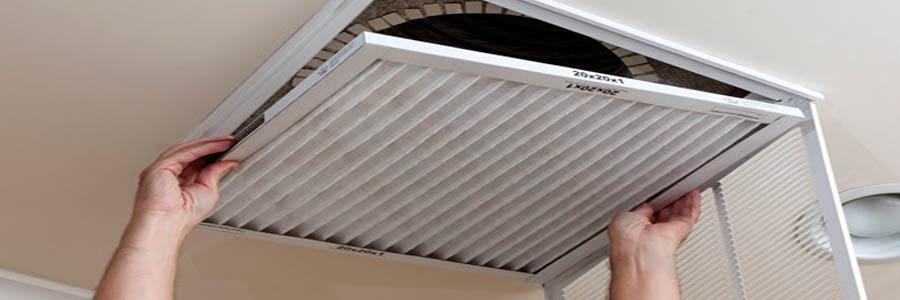
Air quality directly affects the health, sleep, and overall well-being of all family members. The climate system’s air filter serves as the primary barrier against outdoor dust, allergens, and domestic pollution inside the home. To ensure the equipment operates without failures and the atmosphere in the house remains fresh, this element requires regular and proper care.
Understanding How a Home Air Filter Works
This component is a protective barrier installed in the ventilation duct. Understanding how does air filter in house works helps in appreciating its importance. Its dense fibrous structure traps mechanical particles, allowing only a cleaned airflow to pass through. The frame is typically made of durable cardboard, while the filtering medium is made of special paper, fiberglass, or synthetic fibers folded into an “accordion” shape to increase the contact area.
The main functions of the filter include:
- Trapping large fractions. Dust, lint, and pet hair settle on the outer layer of the mesh.
- Capturing microparticles. Plant pollen, mold spores, and bacteria get entangled deep within the dense fibers.
Over time, the free pores of the material become clogged with dirt. If the accumulated layer is not removed in a timely manner, the filter turns from a purifier into a serious obstacle to normal airflow movement.
The Cost of Neglect: What Happens If You Don’t Change Air Filters Regularly
When the maintenance schedule is violated, it inevitably triggers a chain of problems throughout the climate control system. All dangerous consequences of not changing air filters can be divided into technical malfunctions and deteriorating living conditions in the house. A worn-out element begins to let accumulated dirt pass further, causing it to settle on the fan, sensors, and heat exchanger. Ignoring maintenance leads to sudden equipment breakdowns in the height of the season. The cost of fixing such emergencies is many times higher than the price of a new filter.
How Dirty Filters Damage HVAC Efficiency and Fuel Consumption
Clogged pores force the fan to expend much more power to overcome the created resistance. The impact of maintenance on the energy efficiency hvac systems has been proven in practice. Due to dense accumulation, the appliance runs continuously, but the air in the rooms warms up or cools down extremely slowly. This significantly reduces overall efficiency. As a result of the increased load, the system’s resource consumption grows by 15-30%, leading to a sharp spike in utility bills.
Potential Health Risks Linked to Clogged Air Filters
An old, clogged filter does not just stop holding dust; it begins to work in reverse. Studying the link between air filters and allergens, experts note that air currents begin to strip away accumulated dirt particles and bacteria. They are carried throughout the house, causing allergic reactions or asthma attacks. Small children and elderly people with weaker immune systems suffer the most from such polluted air.
Key Long-Term Benefits of Regular Air Filter Replacement
Timely replacement of consumables completely transforms the operation of all home ventilation. All the key benefits of replacing air filter come down to two crucial aspects: maintaining the ideal technical condition of the climate control equipment and caring for the comfort of the residents.
Extending the Lifespan of Your HVAC System and Lowering Repair Costs
The main reason for the premature failure of expensive components in an air conditioner or furnace is their constant operation at the limit of their capabilities. A replaced filter ensures extending the life of home hvac system. With a new element, the compressor functions in a gentle, cyclic mode, and the absence of dirt on the radiator prevents the formation of metal corrosion spots.
Enhancing Indoor Air Quality for Better Sleep and Health
At night, our bodies are particularly sensitive to air composition and extraneous odors. Therefore, improving indoor air quality directly affects the depth of night rest, allowing a person to fall asleep much faster in such a room. High-quality filtration completely eliminates nasal congestion, morning fatigue, and headaches. Due to the removal of suspended particles, the air becomes light, and the feeling of stuffiness and staleness disappears.
5 Signs Your Air Filter Needs Urgent Attention
An attentive homeowner can easily determine that clear signs air filter needs replaced have appeared:
- Visual darkening. Upon inspection, the fiber has changed color from light to gray or dark brown, with visible clumps of dirt.
- Rapid appearance of dust. A few hours after a thorough cleaning, a characteristic gray coating is noticeable on the furniture.
- Prolonged system operation. The air conditioner or furnace runs for hours without pauses but cannot reach the set temperature.
- Extraneous odors. When the ventilation is started, a persistent smell of burning, dampness, or stale dust appears in the rooms.
- Increased electricity bills. The amounts in utility bills have risen sharply without any changes in tariffs or lifestyle.
If you notice at least two signs from this list, delaying maintenance is dangerous. Replace the cartridge yourself or contact a technician for comprehensive service.
Filter Selection Guide: Understanding MERV Ratings and Dimensions
Before purchasing a new element, it is necessary to study the markings on the old cartridge, which indicate the exact geometric dimensions (length, width, and thickness in inches or centimeters). However, the key parameter when choosing the right air filter is the MERV (Minimum Efficiency Reporting Value) efficiency index. It ranges from 1 to 16 for residential buildings:
- MERV 1-4. Basic filtration of large lint and construction debris. Ideal for protecting internal system components, but ineffective for health.
- MERV 5-8. The optimal choice for most standard apartments. Effectively traps household dust, mold spores, and pet hair.
- MERV 9-12. Enhanced filtration level. Captures fine plant pollen and exhaust gases, making it suitable for families with allergy sufferers.
- MERV 13-16. Maximum protection. Traps bacteria, viruses, and tobacco smoke. Requires powerful fans as it creates high resistance.
You should not buy a model with the maximum MERV index if your fan is not designed for it. Too dense a material will overload the motor, reducing the overall efficiency of the climate system.
How to Replace Your Air Filter Safely: A Step-by-Step Guide
The maintenance procedure does not require complex tools and takes only a few minutes. Our brief guide on how to replace air filter step by step will help you complete the job neatly and safely:
- Disconnect the power. Completely turn off the electrical power to the appliance at the main breaker panel to avoid electrical shock.
- Locate the service hatch. Remove the protective cover or open the hinged panel on the ventilation unit housing.
- Remove the old cartridge. Carefully pull out the clogged element, trying not to shake off the accumulated dirt.
- Check the arrow direction. Find the “Air Flow” arrow on the edge of the new cassette and point it in the direction of the air movement toward the motor.
- Install and close the hatch. The snug cartridge should fit into the slots without gaps or misalignments, after which the cover is returned to its place.
After assembly is complete, you can turn on the power breaker and start the equipment in operating mode. Be sure to make a note with the replacement date on the filter frame or in your smartphone calendar.
Schedule your professional HVAC service today
To avoid keeping track of maintenance dates in your head, it is best to establish a clear hvac maintenance schedule together with a specialized service company. The experts at Best Heating Cooling & Air will help develop an individual care plan for your equipment, taking into account the building type, presence of pets, and intensity of appliance use. A planned engineer visit before the season starts will protect your home from breakdowns and guarantee a clean atmosphere.
Contact our specialists by phone or leave a request on the website. We will select original consumables and conduct deep diagnostics of all system components.
Common Questions About Routine Air Filter Maintenance
What are the general guidelines for home filter replacement frequency?
The exact timing of how often change air filter in house depends on conditions, but the standard frequency is once every 3 months. In homes with three or more pets, or where allergy sufferers live, this interval is reduced to 30-45 days.
Will replacing a dirty air filter make the HVAC unit run quieter?
Yes, quality maintenance allows you to make hvac quieter by removing extraneous noises. When nothing obstructs the air, the fan rotates at its rated speed without the whistling, humming, and increased vibration characteristic of operating under heavy load.
Can a smart thermostat notify me when it’s time to change the filter?
Yes, the thermostat reminder change filter function is built into most modern Smart models. The electronics count the actual operating hours of the fan and display a warning on the screen about the need for service work.
What are the most common mistakes to avoid during filter maintenance?
The main mistake during air filter maintenance is installing the cartridge backward, which cuts the cleaning efficiency in half. You should also never use deformed cassettes with gaps along the sides or attempt to vacuum disposable paper filters instead of replacing them.